Winter is coming, and many woodshop owners make the same mistakes year after year. The result? Damaged equipment, expensive repairs, and lost production time.
In this article, we'll cover the 5 most common mistakes in woodworking machinery winter protection—and how to avoid them.
Mistake #1: Using the Wrong Material
The most common mistake is using materials that aren't rated for cold climate protection.
Common scenario: A woodshop owner buys a polyester cover because it's cheaper. The first -20°F night, the cover cracks. Equipment is exposed to moisture and cold.
The fix: Always check cold crack resistance rating. For Canadian and US winters, look for covers rated to -40°F (-40°C). VINYL with cold crack resistance is the best choice for extreme cold protection.
Material comparison:
| Material | Cold Rating | Winter Performance |
|---|---|---|
| VINYL ⭐ | -40°F | Excellent |
| Canvas | -20°F | Poor |
| Polyester | -10°F | Inadequate |
Mistake #2: Poor Fit
A cover that doesn't fit properly provides inadequate protection and is difficult to use.
Common scenario: A woodshop owner buys a "one-size-fits-all" cover for their CNC router. The cover is too small, leaving gaps at the corners. Dust and moisture still get in.
The fix: Get custom-fitted covers. Measure your equipment dimensions exactly and specify them when ordering. The cover should fit snugly but still be easy to install and remove.
Tip: Always measure at the widest point of your equipment (including any extensions or attachments).
Mistake #3: Inadequate Sealing
Even if the material is right, poor sealing can compromise protection.
Common scenario: A cover has sewn seams that let in moisture through the stitching holes. The cover appears intact, but equipment inside gets damp.
The fix: Ask about seam construction method. Heat-sealed seams provide 100% waterproofing. For ultimate protection, ensure all seams are heat-sealed or use welded construction.
Tip: Look for manufacturers who use heat-sealed seams as standard for outdoor and cold climate applications.
Mistake #4: Ignoring Equipment Preparation
Equipment needs to be prepared before being covered for long periods.
Common scenario: Equipment is covered while still warm from use. Moisture trapped inside leads to corrosion. Moving parts can get stuck from lack of movement and temperature changes.
The fix: Let equipment cool down completely before covering. For moving parts, lubricate appropriately. Remove any batteries or electronics that could be damaged by extreme cold.
Tip: Create a checklist for winter shutdown procedures. Include cooling time, lubrication, and cover installation.
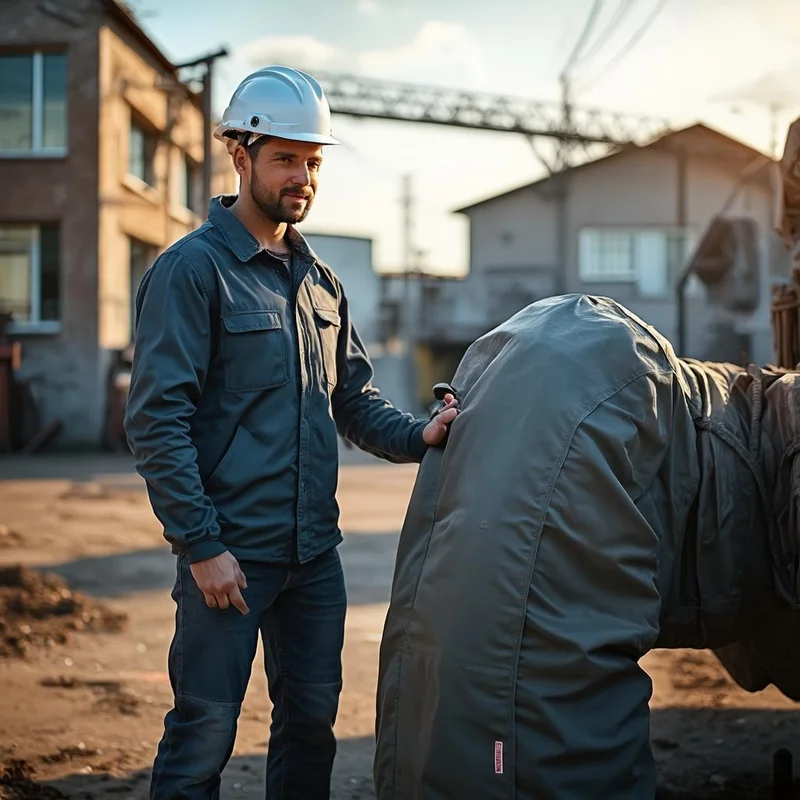
Mistake #5: Neglecting Regular Inspection
Even the best covers can fail over time. Regular inspection catches issues before they cause damage.
Common scenario: Covers are installed at the start of winter and not checked until spring. When removed, significant damage has occurred inside.
The fix: Inspect covers at least monthly during winter. Check for:
- Cold cracks or tears
- Worn seams or grommets
- UV damage or discoloration
- Mold or mildew buildup
- Fitting issues (too tight or too loose)
Tip: Schedule regular inspection days and make it part of your routine winter maintenance.
The Good News
All of these mistakes are preventable. With the right covers and practices, your woodworking machinery can survive the harshest winters undamaged.
Investment in quality VINYL covers pays for itself within 1-2 winters, and continues providing value for years.
Get Protected TodayWinter Protection Checklist
Use this checklist each winter to ensure your equipment is properly protected:
Before Winter:
- Assess your equipment protection needs
- Order VINYL covers with -40°F cold crack resistance
- Verify custom fit and proper specifications
- Confirm heat-sealed seams for waterproofing
- Prepare equipment for winter shutdown
During Winter:
- Install covers on all equipment
- Monthly inspection of all covers
- Check for damage and repair promptly
- Keep workshop temperature stable when possible
- Monitor for pest infestation in covered equipment
After Winter:
- Remove covers carefully to avoid damage
- Inspect all equipment for winter damage
- Clean and dry all equipment before restarting
- Store covers properly for next season
- Plan maintenance for any damage discovered
Conclusion
Winter protection mistakes cost woodshop owners thousands of dollars in equipment damage and lost production time. The good news is that all of these mistakes are preventable.
By choosing the right materials, ensuring proper fit, maintaining good practices, and performing regular inspections, you can protect your woodworking machinery investment through the harshest Canadian and US winters.
Need Help with Winter Protection?
Not sure if you're making any of these mistakes? We can review your current setup and identify potential issues.
Get Free AssessmentAbout the author: CustomMachineCover specializes in VINYL protective covers for woodworking machinery, designed for North American extreme cold climates.
Related articles: