Boat Cover Materials: Mildew, UV & the Seam That Fails First
Boat cover buyers and end users look at different things. Buyers check denier, waterproofing claims, and unit cost. End users notice black spots in the first season, chalky stiff fabric, and stitching that let go while the fabric still looked new.
Those three failures drive most returns and most brand complaints: mildew, UV aging, and the seam that fails first. This guide explains each one and tells you what to put on the spec sheet.
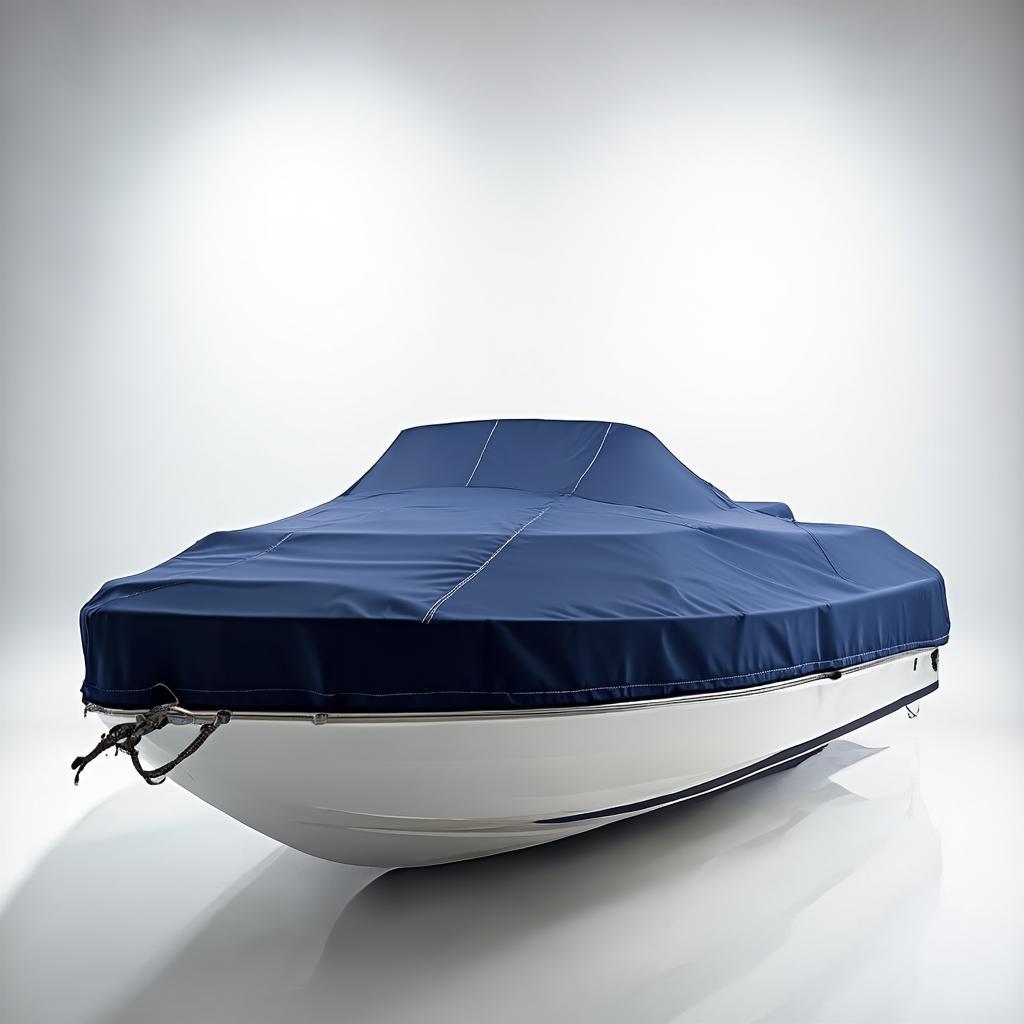
The Seam Thread Fails First
Every cover is only as strong as its thread. Standard polyester thread looks fine on day one. In sun and rain it loses strength within about two seasons. That is the fastest failure point on most boat covers.
UV-resistant bonded thread, the V92 and Tenara types used in marine work, is a different class. It holds up for five years or more in the same conditions.
Tenara-style thread is rated for over 10,000 flex cycles. That is roughly 150 percent of what standard polyester handles. Flex cycles matter because a boat cover never sits still. It flaps in wind and rubs against the hull. Each movement bends the thread at the needle hole.
Thread that survives more flexing survives more seasons. So put thread on the order form. Many buyers list fabric, coating, and zippers but leave thread to factory discretion. Ask for UV-resistant bonded polyester as the minimum and Tenara-type thread on premium runs.
Seam construction decides how the whole cover ages. Our marine boat covers wholesale guide covers the rest of the marine order sheet, from hardware to quality control.
Why Mildew Grows and Why Bleach Backfires
Mildew needs two things: moisture and still air. A boat cover traps both. Rain and condensation sit against the fabric while the space underneath stays closed.
The U.S. EPA notes that mold can begin growing within 24 to 48 hours when moisture is present. A cover that stays damp for a few days is already growing spots. That is why mildew shows up so fast on new covers.
The common fix makes things worse. Bleach kills the visible mold but degrades the fabric coating at the same time. The cover comes out cleaner and weaker in one wash.
Use a cleaner made for marine fabrics instead. It removes the growth without stripping the coating. Then dry the cover fully before storage. Mildew recurs when moisture stays trapped, so cleaning is only half the job.
Boat Cover Materials Compared
Fabric choice shapes the whole product story. There is no single best material, only the right one for your market and price point. Here is how the main families compare.
| Material | Strengths | Watch-Outs |
|---|---|---|
| 600D+ polyester | Volume workhorse. Strong and affordable. | Heavy, especially when wet. Limited UV life. |
| Marine acrylic canvas (Sunbrella type) | Durability leader. Resists UV and mildew, holds color for years. | Premium cost per unit. |
| PVC-coated | Fully waterproof. Easy to wipe clean. | Turns brittle and cracks in cold weather. |
| TPU lining | Stays flexible in cold temperatures. Seals tightly. | Adds cost per unit. |
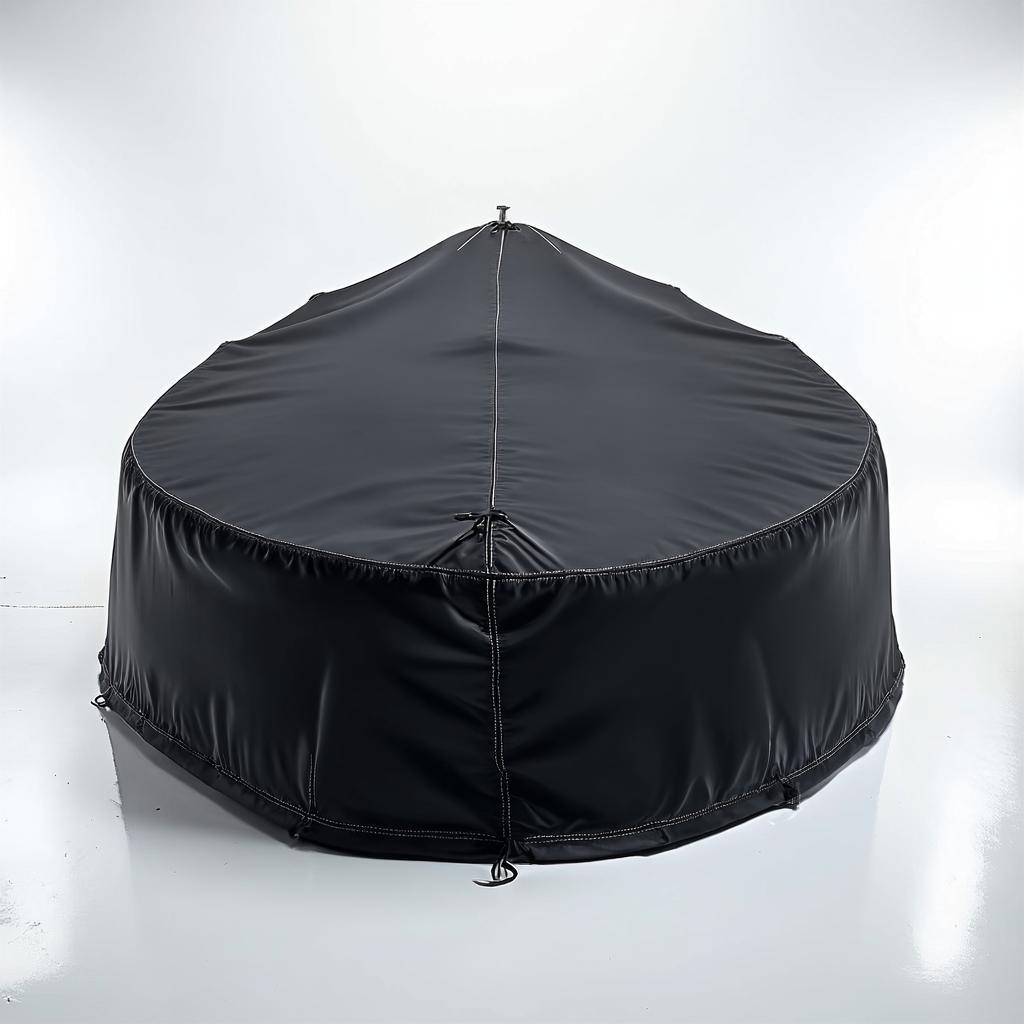
600D and heavier polyester is the standard for volume orders. It is tough and cheap but heavy when wet. Marine acrylic canvas, the Sunbrella-type material, is the durability leader for coastal markets.
PVC-coated fabric blocks water completely and wipes clean, but it stiffens and cracks in freezing weather. TPU linings solve the cold problem with low-temperature flexibility and a tight seal. Match the family to your climate, then grade it by price point.
For a deeper breakdown of denier and backing compounds, our Oxford fabric guide explains how the same label can hide very different fabrics.
Ventilation: The Mildew Fix Nobody Specs
Mildew prevention starts with airflow, not chemicals. A sealed cover is a greenhouse. Moisture rises off the boat, condenses on the cover, and has nowhere to go.
Two mesh vents placed low on opposite sides let air move through. The cross-flow carries moisture out instead of trapping it. Vent placement matters: low vents on both sides beat one vent on top.
Shape matters too. A cover with a pre-formed slope sheds water instead of pooling it. Puddles hold moisture against the fabric and give mildew a permanent home. Slope plus vents keeps covers dry inside and out.
Both features are cheap at the pattern stage and hard to add later. Write them into the design before sampling, not after complaints.
The Buyer's Checklist: Five Specs That Decide Returns
End users judge a cover by the season it survives. Buyers judge a factory by the spec sheet. These five items do the most work.
1. Denier and coating. Denier tells you yarn weight, not quality. Pair it with a UV-stabilized coating and confirm how the stabilizer is added. Stabilizers mixed into the coating outlast sprayed-on treatments.
2. Thread. Name it on the order. UV-resistant bonded polyester minimum, Tenara-type for premium SKUs. Never leave thread to factory discretion.
3. Vents and drainage. Two mesh vents, low and opposite, plus a pre-formed slope. Both go on the pattern spec.
4. UV package. Match it to your market. Coastal and high-sun regions need the strongest stabilizer package. Our saltwater environment covers guide explains why salt air and sun change the spec.
5. Seam warranty. Ask what the factory will stand behind. A written warranty on thread and seams says more than any fabric claim. Seams fail first, so they deserve the warranty first.
For the full order sheet, our custom cover spec guide walks through every line item from fabric to packaging.
The thread spec, the vent design, and the slope cost little to change on paper. They decide whether your covers last two seasons or five. That gap shows up in returns, reviews, and reorders.
Spec the seam like you spec the fabric. Give mildew nowhere to grow and the sun nothing easy to break. The rest of the cover gets a chance to prove itself.
Frequently Asked Questions
What thread should I specify for boat covers?
Specify UV-resistant bonded polyester as the minimum. For premium lines, Tenara-type thread withstands over 10,000 flex cycles, about 150 percent of standard polyester. Standard polyester thread typically fails within about two seasons of outdoor use.
Why do boat covers get mildew even when they are waterproof?
Mildew grows from trapped moisture and poor airflow, not from water leaking through the fabric. The U.S. EPA reports mold can begin growing within 24 to 48 hours when moisture is present. Two low mesh vents on opposite sides plus a pre-formed slope prevent those conditions.
Can I clean mildew off a boat cover with bleach?
Bleach removes the visible spots but degrades the fabric and its coating, which shortens the cover's life and makes mildew return faster. Use a cleaner made for marine fabrics instead, then dry the cover fully before storing it.
Which boat cover material lasts the longest?
Marine acrylic canvas, the Sunbrella-type material, generally lasts the longest outdoors thanks to UV and mildew resistance. 600D and heavier polyester is the budget workhorse but is heavier and less UV-durable. PVC resists water well but can crack in cold weather, while TPU linings stay flexible in the cold.
Ready to Source Boat Covers?
Contact Custom Machine Cover for custom OEM boat covers with spec-grade thread, vented patterns, and material options matched to your market. Send your boat models and target climate for a material recommendation within 48 hours.
Request a QuoteSources & Industry References
- EPA: A Brief Guide to Mold, Moisture and Your Home (source) , Mold growth timelines and moisture guidance
- Industrial Fabrics Association International (IFAI) , Industry body for technical textiles and coated fabrics
- National Marine Manufacturers Association (NMMA) , Marine industry standards and certification