Industrial Cover Maintenance Schedule: When to Inspect, Repair & Replace Protective Covers
You bought the covers. They arrived on a pallet, were unloaded into the maintenance bay, and deployed onto your equipment. That is when the clock starts. Not on the purchase order date, not on the ship date. The service life clock begins the moment a cover touches the factory floor.
A correctly specified industrial protective cover should deliver 3 to 7 years of service depending on environment and material grade, but that number assumes something most plants overlook: a maintenance schedule. Without one, the same cover that should last five years may fail in eighteen months. The failure will not announce itself. It will accumulate quietly until one Monday morning, a maintenance supervisor opens a CNC enclosure and finds surface rust on the bedways. By then, the cost is no longer the price of a replacement cover. It is the cost of machine downtime, rework, and a conversation with production planning that nobody wants to have.
This article is not about buying covers. It is about what happens after. It provides an inspection framework, a set of objective wear signals, a repair-versus-replace decision logic, and environment-specific maintenance cadences that reflect how different factory conditions accelerate degradation along different vectors.
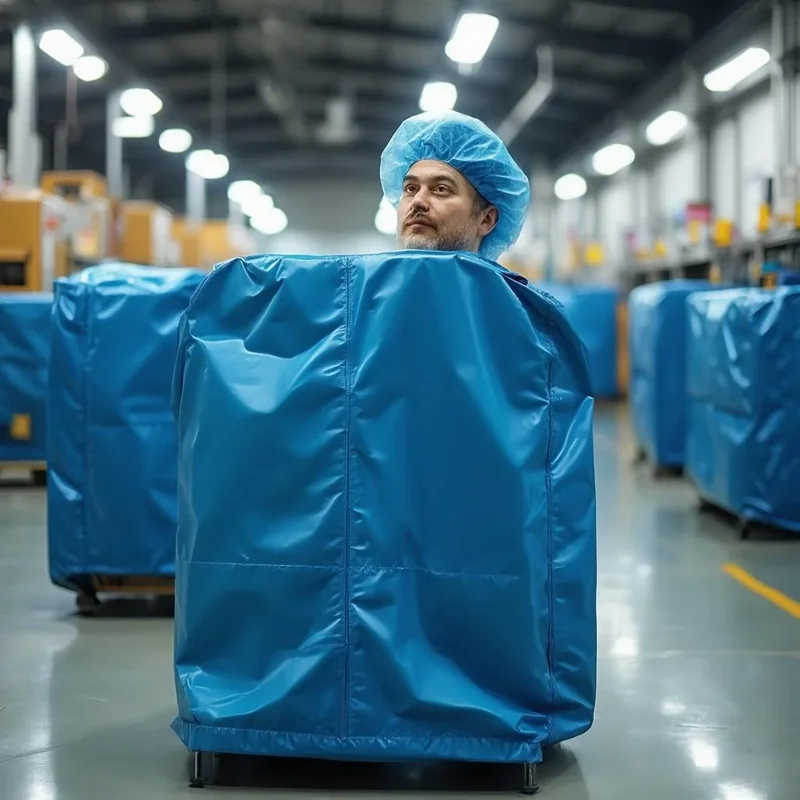
Why Cover Maintenance Is a Production Issue, Not a Purchasing Issue
Industrial covers serve one function: excluding contaminants from precision equipment. When a cover fails, the contaminants enter. The timeline from cover failure to equipment damage varies by contaminant type. Dry airborne dust takes weeks to months to cause measurable bearing wear. Condensation in a freeze-thaw cycle can pit uncoated steel surfaces in a single weekend. Oil mist mixed with metal fines creates an abrasive slurry that accelerates slideway wear within days.
The purchasing department owns the cover acquisition cost. The maintenance department owns the downstream cost of cover failure, and that downstream cost is typically 8 to 20 times the price of the cover itself when it includes unplanned downtime, part replacement, and rush labor. This asymmetry is why cover maintenance belongs on the preventive maintenance schedule alongside lubrication rounds, belt tension checks, and filter replacements. It is not an afterthought. It is a protective barrier whose condition directly correlates with the condition of the equipment it protects.
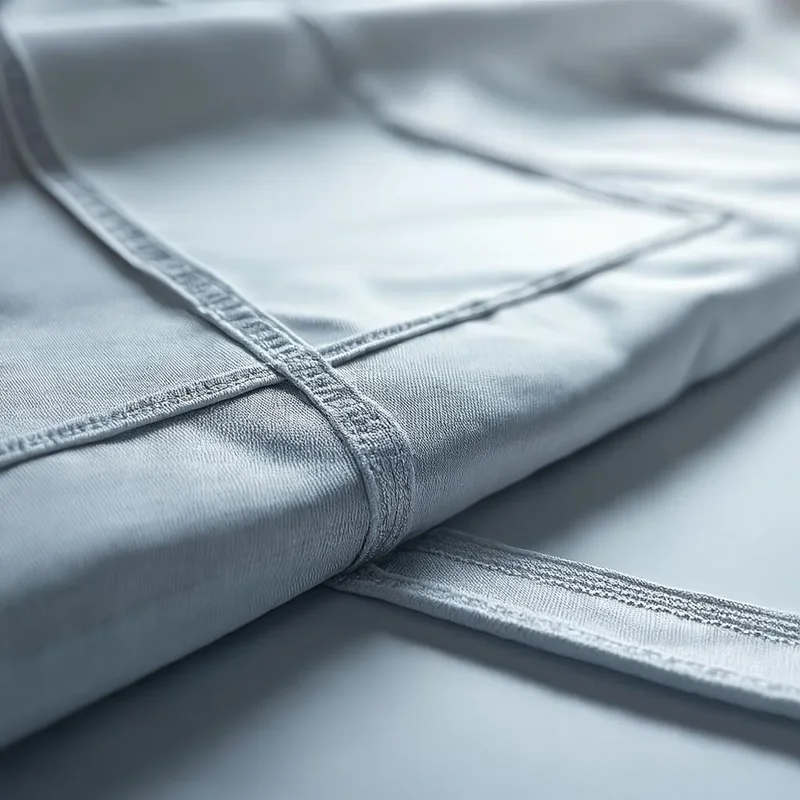
The Five-Point Inspection Framework
A cover inspection that consists of "looks okay" is not an inspection. It is a walk-past. A useful inspection answers five questions about five zones, every time. The framework below is designed to take under four minutes per cover for a trained operator and produces a pass, monitor, or fail rating for each zone.
Point 1: Seam Integrity
Run fingers along every structural seam under moderate tension. Look for skipped stitches, broken threads, or seam separation greater than 2 mm. Pay particular attention to stress concentration points: corner seams, drawstring channels, and any seam where two fabric panels join at an angle greater than 45 degrees. A single broken stitch at a corner is a monitor condition. Three or more broken stitches on the same seam is a fail.
Point 2: Fabric Surface Condition
Scan the fabric surface at a shallow angle to the light source. This reveals coating wear that perpendicular viewing misses. Look for pinholes, surface abrasion, coating flaking, and discoloration patches. For coated fabrics, the surface should feel uniformly smooth. Rough patches or areas where the weave pattern is visible through the coating indicate coating loss. A rough patch larger than 50 mm in diameter is a monitor. Two or more rough patches exceeding 50 mm is a fail.
Point 3: Closure Hardware
Cycle every closure mechanism three times: drawstrings, buckles, zippers, hook-and-loop panels, snap fasteners. A drawstring that binds or frays on the second cycle will fail on the fifteenth. A zipper that skips a tooth once will skip again. Hardware corrosion visible to the naked eye on any load-bearing component is a fail. The logic is simple: a cover that cannot be properly closed is not a cover.
Point 4: Attachment Points
Inspect grommets, D-rings, tie-down loops, and elastic hems. Check for elongation around grommets (more than 2 mm from original diameter is a monitor; more than 4 mm is a fail). Verify elastic hems still provide tension when stretched around the equipment. Elastic that has lost more than 30 percent of its recovery tension should be flagged for replacement.
Point 5: Interior Condition
Remove the cover and inspect the interior surface. The interior tells a different story than the exterior. Condensation staining, mold spots, oil saturation, or abrasive grit embedded in the inner lining indicate that the cover's environmental barrier has been partially compromised even if the exterior looks acceptable. Any interior condition that, left unaddressed, would transfer contaminants to the equipment surface is a fail.
For a deeper understanding of how different cover materials perform under stress and what failure mechanisms to watch for, see our analysis of protective cover failure causes and the industrial cover durability guide.
Wear Signals: Objective Criteria for Condition Assessment
Subjective judgments like "it looks worn" generate inconsistent maintenance decisions across shifts and personnel. The following criteria convert visual observations into objective pass/monitor/fail ratings. Train every inspector on these thresholds and record results on a standardized checklist.
| Wear Signal | Pass (Green) | Monitor (Yellow) | Fail (Red) |
|---|---|---|---|
| Coating delamination | No visible separation | <5% surface area, isolated to edges | >10% surface area or on primary coverage zone |
| Seam thread breakage | Zero broken stitches | 1-2 stitches on non-structural seams | 3+ stitches or any on structural seams |
| Fabric tear length | No tears | Single tear <25 mm, not crossing seam | Any tear >50 mm or crossing a seam |
| UV degradation | Fabric passes fold test (no cracking) | Color fade only, fabric still flexible | Cracking on fold test, brittleness |
| Hardware corrosion | No visible corrosion | Surface rust only, mechanically functional | Pitting or seizure on any load-bearing component |
| Elastic tension loss | Full recovery, tight fit | <30% tension loss, still seals | >30% tension loss, gapping visible |
The fold test referenced above is the simplest field assessment for UV embrittlement. Fold a small section of fabric at a 180-degree angle. Press the crease firmly between thumb and forefinger for two seconds. Release.
If the fabric springs back without visible cracking or crease line whitening, the polymer matrix is intact. If the crease remains as a white line or the fabric cracks audibly, UV degradation has progressed past the point where the coating can protect the base fabric. The fold test is a go/no-go test. A fail means replacement.
For material-specific inspection guidance, our comprehensive material selection guide details how each fabric type (PVC-coated polyester, silicone fiberglass, urethane laminate) ages and what degradation patterns are material-specific.
Temporary Repair vs. Full Replacement: A Decision Matrix
Not every defect requires a new cover. But some defects that look repairable should not be repaired because the repair introduces a failure risk that exceeds the replacement cost. The decision logic below separates acceptable temporary repairs from mandatory replacements.
When Temporary Repair Is Acceptable
- Tears under 50 mm in non-structural panels. Patch with a fabric patch of the same base material using bonded polyester thread and a minimum 25 mm seam allowance on all sides of the tear.
- Isolated coating abrasion where the base fabric weave is intact and the damaged area is under 100 mm in diameter. Apply a compatible liquid coating repair compound. Do not use duct tape. It leaves adhesive residue that prevents future proper repair and accelerates UV degradation at the tape edge.
- Single broken drawstring where the channel is intact and the replacement cord matches the original diameter and material. An undersized replacement cord will pull through the channel under load.
- Loose grommets that can be re-crimped with a grommet press. Check that the surrounding fabric has not torn or elongated before re-crimping.
When Full Replacement Is Mandatory
- Structural seam failure. If a seam that bears tension during normal use (corner seams, drawstring channels, tie-down points) has separated, the cover's geometry is compromised. Restitching a failed structural seam concentrates stress on adjacent stitch holes, creating a zipper failure pattern.
- Coating delamination exceeding 10 percent of surface area. Once coating separates from the base fabric across a large zone, the remaining coating is under accelerated stress and will continue delaminating at an increasing rate. Patching a delaminating cover is like patching a peeling paint job.
- UV embrittlement confirmed by fold test failure. A brittle fabric cannot be repaired because stitching through brittle material creates perforation lines that tear under the slightest tension.
- Interior contamination that cannot be fully removed by cleaning. Oil-saturated fabric loses tensile strength. Mold embedded in the lining will transfer spores to the equipment. If cleaning does not restore the interior to a contaminant-free state, replace the cover.
- Any damage that compromises water or dust ingress protection on the primary equipment coverage zone. The top panel of a horizontal machine cover, the control panel face, and any surface directly above exposed slideways or bearings are primary coverage zones. A patch in these zones is a calculated risk that usually does not calculate favorably.
For guidance on evaluating whether a cover was correctly specified for your environment in the first place, read our quality inspection guide for custom machine covers, which covers incoming QC checks that should have caught specification mismatches before deployment.
Extending Cover Service Life: Five Proven Tactics
These five practices extend average cover service life by 30 to 50 percent across most industrial environments. They cost almost nothing to implement relative to the cost of premature replacement.
1. Clean Before Storage, Not After
Remove surface contaminants before removing the cover. Wiping down a cover while it is still on the equipment prevents accumulated dust, oil film, and metal fines from transferring to hands, clothing, and the equipment surface during removal.
Use a damp microfiber cloth for general dust. Use a pH-neutral cleaner for oil residue. Never use solvent-based cleaners on coated fabrics. Solvents attack the plasticizer in PVC coatings and the adhesive bond in laminate constructions.
2. Store Covers Dry and Folded, Not Crumpled
A cover thrown into a corner develops permanent crease lines that become crack initiation points. Fold covers along their natural seam lines, store flat or on a wide-diameter hanger bar (minimum 75 mm diameter), and never store a damp cover. A damp cover folded and stored for two weeks will develop mildew that permanently weakens the fabric structure.
3. Rotate Covers in High-Wear Applications
If you have multiple identical machines in the same zone, rotate covers between them on a quarterly schedule. No two machines wear a cover identically. Rotation distributes wear patterns across the fleet and extends the mean time between replacements for the entire cover inventory. This is standard practice in fleet vehicle maintenance and applies equally to industrial covers.
4. Install Standoffs for Outdoor Covers
Outdoor covers that sit directly on equipment surfaces trap condensation between the cover and the machine. Install standoff blocks made of closed-cell foam or plastic spacers at contact points to create a 10-15 mm air gap. This gap allows condensation to evaporate instead of pooling.
A cover that breathes lasts 40 percent longer than one that does not. The standoffs also prevent wind-driven abrasion where the cover fabric rubs against sharp equipment edges during storms.
5. Document Everything
Maintain a cover log for each piece of covered equipment. Record installation date, material specification, inspection dates and results, repair actions, and replacement date.
A cover log turns anecdotal knowledge into data. After twelve months of logging, you will know your actual cover service life by environment and material, not the manufacturer's estimated range. That data drives better procurement decisions and more accurate maintenance budgeting.
According to the Reliable Plant preventive maintenance framework, protective barrier inspection belongs in the same preventive maintenance tier as seal and gasket checks for rotating equipment. Both are consumable protective layers whose failure directly exposes higher-value assets to environmental damage.
Environment-Specific Maintenance Schedules
A single maintenance schedule does not work across different factory environments. Contaminants attack covers through different mechanisms at different rates. The schedules below adjust inspection frequency, cleaning protocol, and replacement horizon by environment type.
Dust-Heavy Environments (Cement Plants, Woodshops, Foundries, Grain Processing)
Dust kills covers through abrasion. Fine particulate embeds in the fabric weave and acts as a cutting agent every time the cover moves or flexes. The failure mode is progressive. Surface coating wears thin, base fabric becomes exposed, and the exposed yarns abrade until the fabric loses tensile strength.
Visual inspection alone is insufficient because dust hides early coating wear. Run a gloved hand over the fabric surface under moderate pressure. If the fabric feels rough or gritty after wiping, the coating is thinning. Inspection frequency: bi-weekly surface wipe-down for dust removal, monthly full five-point inspection.
Expected service life adjustment: reduce baseline by 30 percent. A cover rated for 5 years in a clean environment will deliver approximately 3.5 years in a high-dust environment without a maintenance schedule, and 4.5 years with consistent dust removal.
Oil and Chemical Environments (Machine Shops, Plating Lines, Chemical Processing)
Oil mist and chemical vapors attack covers through two mechanisms: plasticizer migration and solvent swelling. PVC-coated fabrics lose plasticizer when exposed to oil films over extended periods. The coating becomes stiff, then brittle, then cracks.
Solvent vapors cause the coating to swell, creating micro-channels that later allow moisture ingress. Inspection frequency: monthly full inspection with emphasis on coating texture and seam condition. Check: does the coating feel tacky or stiff compared to a new sample?
Expected service life adjustment: reduce baseline by 25 percent for moderate oil exposure, 50 percent for direct chemical splash exposure. For chemical environments, specify covers with chemical-resistant coatings. Standard PU coating fails rapidly around solvent vapors.
Outdoor Environments (Construction Sites, Ports, Rail Yards, Mining)
Outdoor covers face the broadest attack spectrum: UV radiation, precipitation, wind-driven abrasion, thermal cycling, and biological growth. UV degradation is the primary outdoor failure mode. It is cumulative and irreversible. Every hour of direct sunlight permanently reduces the polymer chain length in the coating.
Inspection frequency: monthly five-point inspection, quarterly UV fold test. After every significant weather event above 40 km/h wind, hail, or ice accumulation, perform a quick check for new tears or displaced covers.
Expected service life adjustment: outdoor covers degrade approximately 2 to 3 times faster than indoor covers of the same material grade. A 600D PU-coated Oxford cover that lasts 5 years indoors will last approximately 2 to 3 years outdoors in temperate latitudes and 1.5 to 2 years in high-UV tropical latitudes.
Low-Temperature Environments (Cold Storage, Arctic Operations, Unheated Warehouses)
Low temperature introduces a different failure mechanism: embrittlement followed by mechanical fracture. Below -10 degrees Celsius, standard PVC-coated fabrics lose significant flexibility. Below -25 degrees Celsius, they become brittle enough to crack under moderate flexing.
The most dangerous period is not mid-winter at stable low temperatures. It is the fall and spring transition months when freeze-thaw cycling occurs daily. Water absorbed into micro-cracks in the coating freezes overnight, expands by approximately 9 percent, and widens the cracks. The next day's thaw lets more water in. After 30 to 50 freeze-thaw cycles, cracks that started as hairline fissures become visible separations.
Inspection frequency: weekly during fall and spring transition months, bi-weekly during stable winter conditions. In cold storage facilities at constant low temperature, monthly inspection is sufficient because the absence of cycling reduces thermal stress.
Expected service life adjustment: low-temperature environments without cycling reduce service life by approximately 15 percent due to gradual embrittlement. With freeze-thaw cycling, reduce baseline by 35 percent. For sustained temperatures below minus 25 degrees Celsius, specify covers with low-temperature flexible coatings such as TPU laminates or silicone formulations.
Frequently Asked Questions
How often should industrial protective covers be inspected?
Monthly inspection is the baseline for most environments. High-dust or outdoor applications require bi-weekly checks. Low-temperature environments with freeze-thaw cycles need weekly inspection during seasonal transitions.
Every inspection should check seams, fabric surface, closure hardware, and attachment points. Document all findings in a cover maintenance log to track degradation trends across your cover inventory.
What are the early warning signs that an industrial cover needs replacement?
Key replacement triggers include coating delamination visible on more than 10 percent of the surface, seam thread breakage across three or more stitch lines, and UV degradation causing fabric brittleness confirmed by a fold test.
Hardware corrosion that prevents proper closure, tears longer than 50 mm that cross primary stress seams, and interior contamination that cannot be fully cleaned also warrant replacement. Any single one of these conditions is sufficient grounds for ordering a replacement cover.
When is temporary repair acceptable versus full replacement?
Temporary repair is acceptable for tears under 50 mm in non-structural panels, minor abrasion on surface coating that has not penetrated the base fabric, single broken drawstring cords, and loose grommets that can be re-crimped. A properly executed fabric patch with 25 mm seam allowance can extend service life by 6 to 12 months. Full replacement is required for structural seam failure, coating delamination exceeding 10 percent of surface area, UV embrittlement, and any damage that compromises contaminant protection on primary equipment surfaces.
How do different environments affect industrial cover maintenance schedules?
Dust-heavy environments require bi-weekly surface cleaning plus monthly seam inspection. Cement dust and wood fines are particularly abrasive and accelerate coating wear. Oil and chemical environments need monthly inspection with emphasis on coating texture changes and seam condition. Outdoor applications demand quarterly UV degradation assessment plus monthly hardware inspection for corrosion. Low-temperature environments with freeze-thaw cycling require weekly inspection during spring and fall transition months, when thermal stress is highest.
Can a cover that fails the fold test still be used temporarily?
No. A fold test fail indicates that the polymer matrix in the coating has degraded to the point of brittleness. A brittle cover will tear during normal handling, not just during extreme weather. Attempting to use a cover that has failed the fold test risks a catastrophic tear that leaves equipment completely exposed. The fold test is a go/no-go threshold. If it fails, remove the cover from service immediately and order a replacement.
How do I integrate cover maintenance into an existing preventive maintenance program?
Add cover inspection as a line item on the same PM work order that covers the protected equipment. When a technician performs a monthly PM on a CNC machine, the checklist should include a five-point cover inspection alongside the lubrication and calibration tasks. This integration ensures cover condition is assessed every time the equipment is serviced, without requiring a separate maintenance round.
Need Replacement Covers or a Maintenance Program Consultation?
We manufacture industrial protective covers at our manufacturing facility and can help you establish an environment-specific maintenance schedule for your cover inventory. Send us your equipment list and operating conditions for a tailored recommendation within 48 hours.
Request a Quote →