Industrial Machine Dust Covers: Spec Sheet Essentials
Most dust cover RFQs are three lines long: dimensions, quantity, and "waterproof". That is not a spec, it is a wish.
Industrial machine dust covers do a simple job, keep dust off a machine between shifts, but the details decide whether they last a year or a decade. This guide covers the spec sheet essentials.
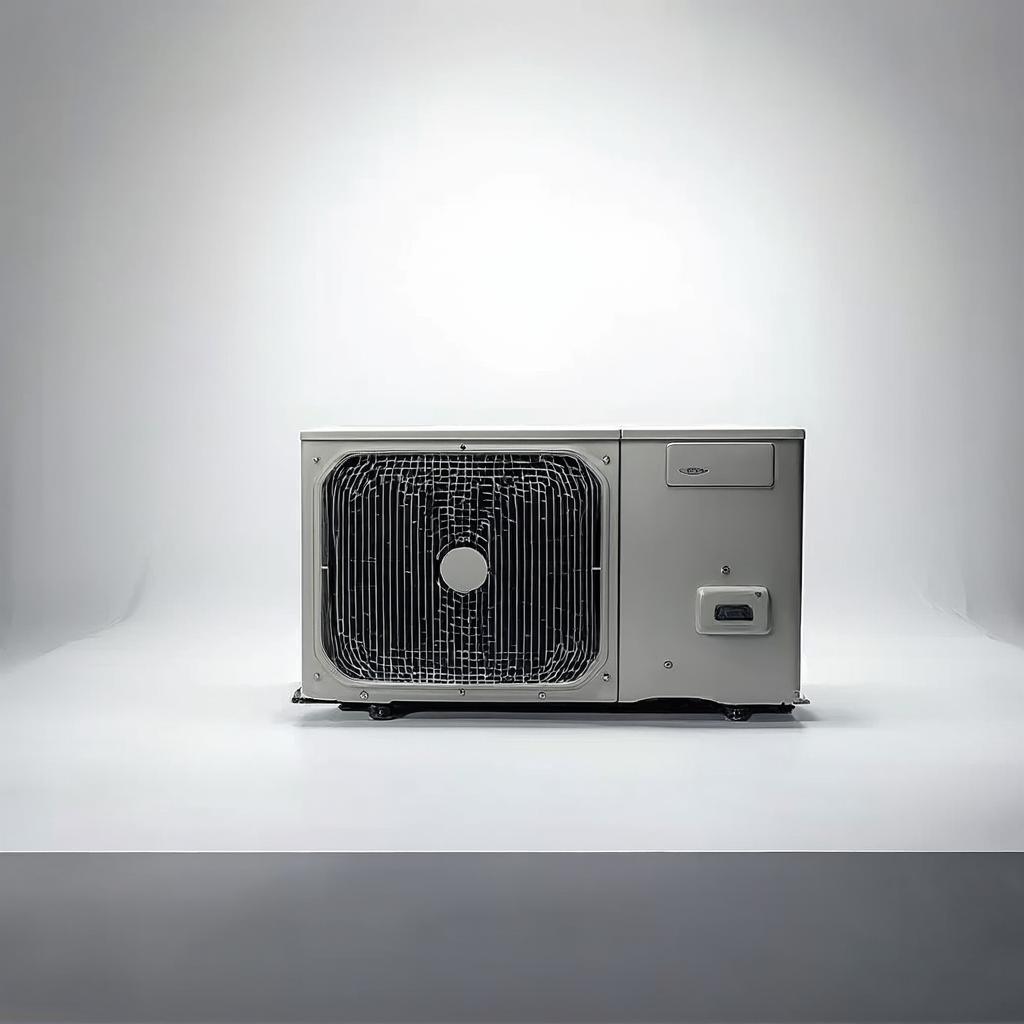
Material: Match the Environment
For light dust in a clean workshop, a 210D polyester is enough. For grinding, welding, or machining areas, go heavier and consider a coated fabric that wipes clean.
If the cover sits near heat sources or sparks, polyester will melt. Specify a flame-retardant or heat-resistant fabric for those zones.
Openings and Access
The cover needs to go on and off without fighting the machine. Specify side openings or zippered panels if operators need access to controls or tooling.
Drawstrings at the bottom keep the cover snug and stop dust from creeping under the hem. Magnetic or hook-and-loop closures work well for frequent access.
Cleaning and Maintenance
Industrial covers get dirty. Specify a fabric that can be wiped down or laundered without degrading the coating.
Ask the factory about cleaning instructions in the product documentation. A cover that cannot be cleaned becomes a dust collector itself.
For more on this topic, see our material selection guide.
For more on this topic, see our OEM sourcing guide.
For more on this topic, see our wholesale price guide.
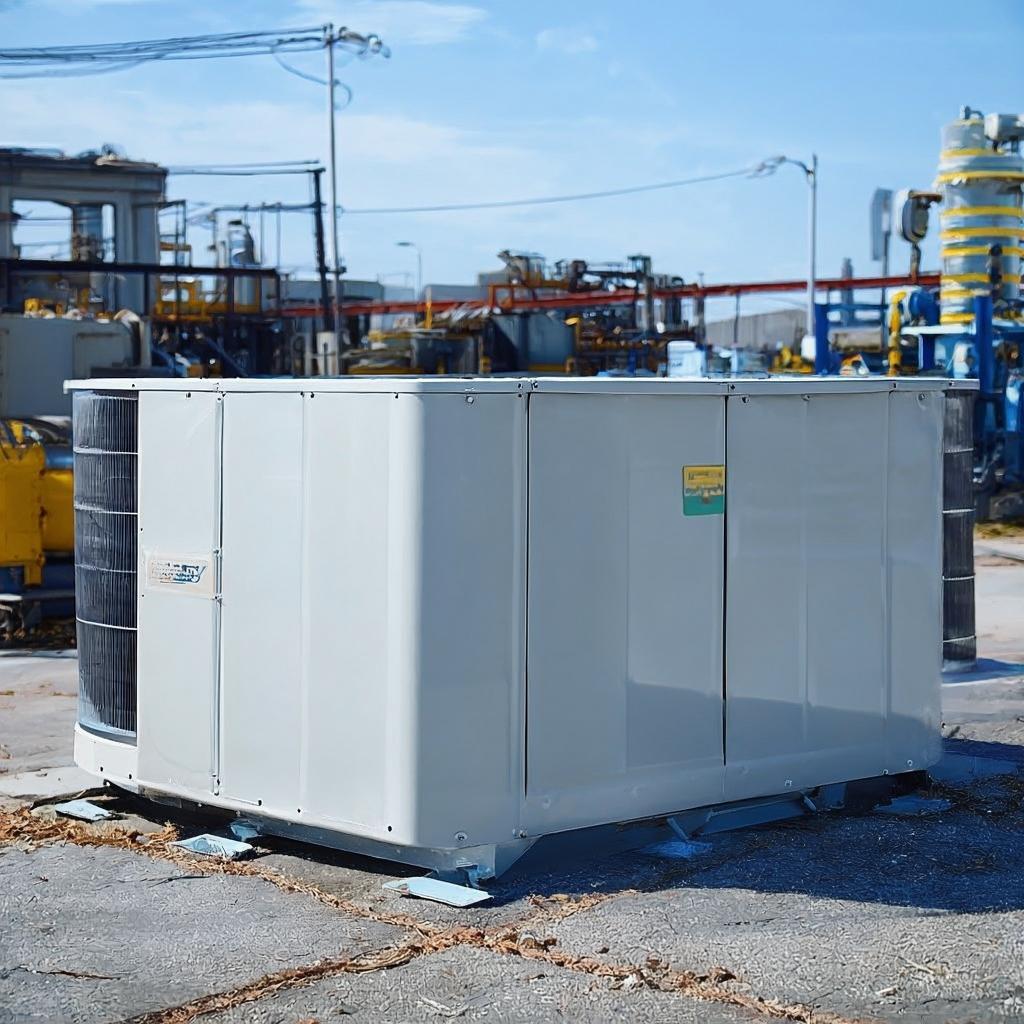
Custom Sizing and Drawings
Standard covers fit standard machines. Most industrial machines are not standard.
Send the factory a dimensioned drawing or a list of critical measurements: length, width, height, and any protruding elements such as handles, controls, or coolant pipes.
For irregular machines, a template made from heavy paper or thin plywood is the most reliable way to communicate shape. Factories that have built covers for similar machines will ask for the right details, which is itself a signal of competence.
Confirm the tolerance. A cover that is 20 millimetres too tight around a control panel is unusable. Specify an acceptable fit tolerance in the order, typically plus or minus 10 millimetres on critical dimensions.
Ask how the factory handles revisions. A good supplier will flag dimension conflicts before cutting, not after. The ones that never ask questions are the ones to worry about.
Packaging and Delivery
Industrial dust covers ship folded, and the way they are packed affects how they arrive.
Specify individual polybags for each cover to keep dust and moisture out during transit. For orders going by sea freight, add a moisture barrier and desiccant packs inside the cartons.
Confirm the carton size and weight with your freight forwarder early. Oversized cartons increase shipping cost and risk damage in handling.
Ask the factory for a packing list with the unit count per carton, and spot-check a few cartons during inspection to confirm the count matches.
Frequently Asked Questions
What fabric for a welding shop?
Polyester melts near sparks. Use a flame-retardant treated fabric or a heat-resistant material for zones with welding or grinding activity.
Do dust covers need to be waterproof?
Not usually. Dust protection is about keeping particles out, which a snug fit and drawstring hem achieve. Waterproofing only matters if the machine is stored outside or washed down.
What is the typical MOQ?
Most factories start at 100 to 200 pieces for standard sizes. Custom dimensions and logos raise the minimum. Lead time is typically 40 to 60 days.