UV Resistant Motorcycle Covers: Specs That Outlast the Sun
A motorcycle parked outside takes a daily hit from the sun that most owners never see. The paint fades slowly, the seat vinyl cracks, and the rubber seals harden.
A cover is supposed to stop that damage, but a cover that is not built for UV does the opposite: it traps heat, transmits light, and falls apart itself within a season.
For buyers sourcing covers for resale or for fleets, the UV question is not a feature, it is the product. This guide breaks down the fabric choices, the specs that matter, and what to verify before you commit to a volume order.
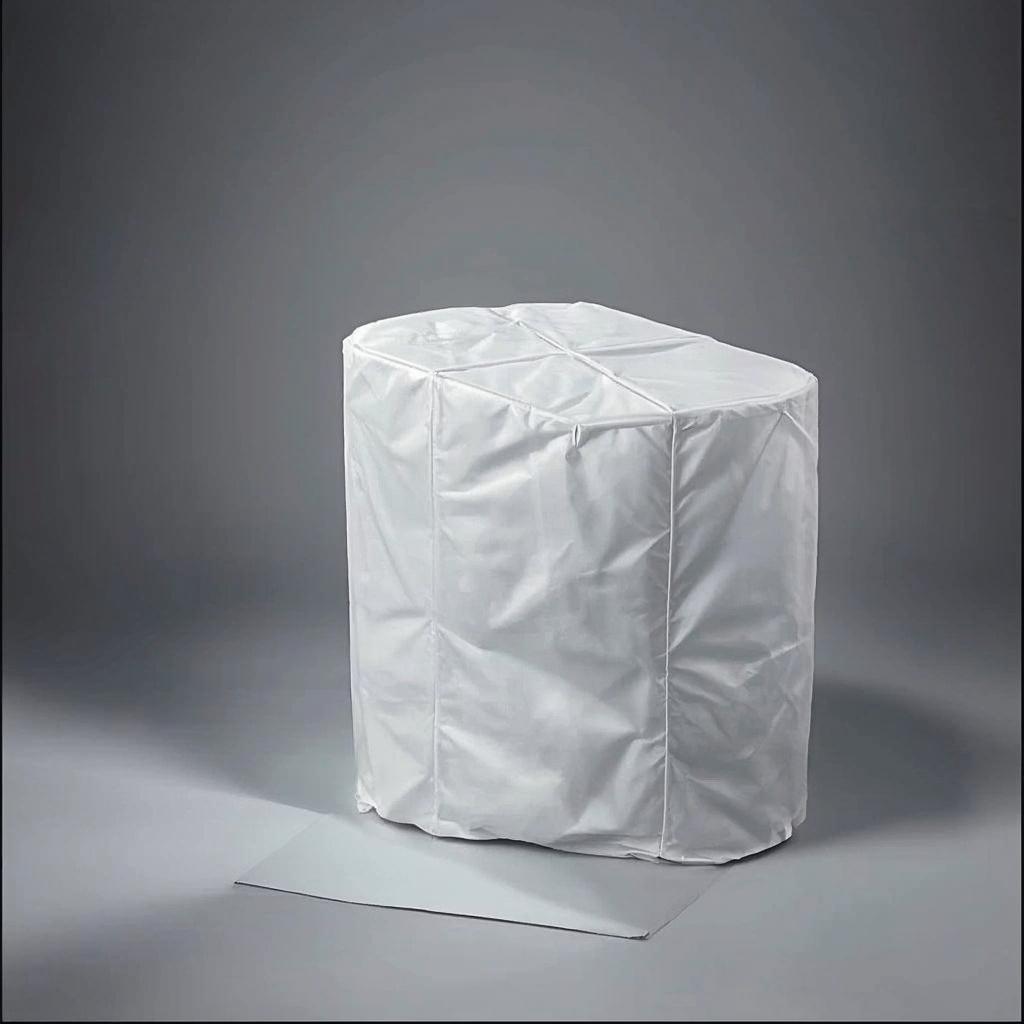
How UV Damages Covers
Ultraviolet light attacks three parts of a cover at different speeds. The outer fabric loses its colour first, then its strength, because UV breaks down the polymer chains in polyester and PVC alike.
The stitching goes next, especially if the thread is not UV-stabilised, which is why a cover can look fine on the outside while the seams are already failing. Finally, the coating delaminates, which turns a waterproof cover into a heavy, brittle sheet.
The practical result for a buyer: a cheap cover fails in one season of outdoor use, and the customer blames the product, not the sun. UV resistance is the difference between a one-season disposable and a three-season product you can stand behind.
Fabric Options for UV Resistance
Three fabric families dominate the motorcycle cover market. Each has a different trade-off:
PVC-Coated Polyester
The workhorse for outdoor covers. PVC-coated polyester resists UV well, sheds water, and holds its colour. It is heavier and less breathable, so condensation management matters in humid climates. For most motorcycle storage, this is the safest first choice.
Plain Polyester with UV Treatment
Lighter and easier to pack, but UV performance depends entirely on the coating quality. A cheap UV treatment washes out after a few rains.
If you choose this route, verify the UV rating in writing and test the fabric after a month of outdoor exposure before scaling the order.
Acrylic and Solution-Dyed Options
Solution-dyed acrylic holds colour deep in the fibre rather than on the surface, which makes it the most colourfast option. It costs more and is less common in the motorcycle segment, but it is the premium tier for buyers who prioritise colour fastness.
Specs That Matter Beyond the Fabric
UV resistance sells the product, but these four specs keep the customer satisfied:
- Waterproofing and seams. A cover that leaks at the seams fails its core job. Check taped or heat-sealed seams, not just a water-repellent spray on the fabric.
- Soft inner lining. A cover that scratches the tank defeats its purpose. Look for a brushed or fleece inner layer, especially on the panels that touch the paint.
- Wind straps and buckles. Outdoor covers live in wind. Elasticised hems and quick-release straps keep the cover on the bike and stop it acting as a sail.
- Ventilation. A totally sealed cover traps condensation, which attacks chrome and wiring. Vent panels or breathable zones reduce that risk.
Sizing and Custom Fitting
Motorcycle sizing is where most cover returns come from. A cover that is too tight strains the seams; one that is too loose flaps and abrades the paint.
The standard approach is to size by overall length and seat height, but the real fit issues come from accessories: panniers, top boxes, screens, and crash bars all change the effective width and height.
For a private label program, offer a small, medium, and large sizing table in the product listing and ask customers to measure their bike with accessories fitted.
If you are sourcing for a specific fleet, order a made-to-measure run for the exact model list, which removes the return risk entirely. A guide to the wider range of custom cover options is available in the custom machine cover material guide.
Sourcing for Resellers
When you move from samples to volume, four sourcing points deserve attention:
- UV rating in writing. Ask the supplier for the fabric's UV resistance test result, not a verbal claim. A standard rating lets you market the product honestly.
- Colour fastness sample. Order one sample, tape it in a sunny window for two weeks, and compare the colour. This cheap test filters out the worst fabrics before you commit.
- MOQ structure. Confirm whether the minimum applies per colour or across the order. Black covers usually carry the lowest minimums because black fabric is the standard stock.
- Packaging. Covers that ship in a compact storage bag are easier to warehouse and sell. Confirm the bag is included and the carton fits your freight plan.
The broader sourcing process for industrial covers is covered in the sourcing guide, and the heavy-duty segment shares many of the same checks in the heavy duty equipment covers guide.
FAQ
What is the best fabric for a UV resistant motorcycle cover?
PVC-coated polyester is the safest all-round choice for outdoor motorcycle storage. It resists UV, sheds water, and holds its colour. Solution-dyed acrylic is the premium option if colour fastness is the priority.
How long should a UV resistant cover last outdoors?
With a proper UV-stabilised fabric and seams, a cover should last two to three seasons of continuous outdoor use. A cover that fails in one season is either the wrong fabric or a UV treatment that washed out.
Do I need ventilation in a motorcycle cover?
Yes, for outdoor use. A fully sealed cover traps condensation, which attacks chrome, wiring, and seat vinyl. Vent panels reduce moisture build-up without letting rain in.
Can motorcycle covers be made to measure?
Yes. For fleets or specific model lists, made-to-measure runs remove the fit and return risk. Provide the model list with accessories fitted, and the supplier can build to those dimensions.
What MOQ should I expect for a private label motorcycle cover?
It depends on colour and print. Standard black covers carry the lowest minimums, often in the low hundreds. Custom colours and printed logos push the minimum up, so plan the first order around your branding schedule.