You've probably seen "cold crack resistance to -40°F" listed on product specifications. But what does that actually mean for your equipment? And why does it matter?
In this article, we'll explain cold crack resistance in practical terms, what different temperature ratings mean, and how to choose the right protection for your specific climate.
What is Cold Crack?
Cold crack is the phenomenon where materials become brittle and crack when exposed to cold temperatures. It's not about the material freezing—it's about the material losing flexibility.
When a material is cold enough, the molecular structure changes. The material becomes stiff and brittle. With minimal stress or movement, it can crack, split, or break apart.
This is particularly problematic for machine covers because they need to:
- Remain flexible for installation and removal
- Stretch slightly to fit over equipment
- Withstand wind and occasional pressure changes
- Last for years without degrading
Temperature Ratings Explained
When you see a temperature rating like "-20°F" or "-40°F," it means the material is tested to remain flexible at that temperature without cracking.
However, these ratings aren't created equal. There are different testing methods and standards:
Important: Always ask for the testing method when evaluating cold crack claims. Some manufacturers use optimistic testing conditions that don't reflect real-world use.
What Different Ratings Mean
Let's look at what common temperature ratings actually mean in practice:
-10°F Rating
Material: Most polyester fabrics
Reality: Suitable for mild climates, occasional light frost. In Canadian winters, this rating is insufficient. Covers will crack and fail early in the season.
Best for: Spring/fall protection in moderate climates
-20°F Rating
Material: Some canvas and treated fabrics
Reality: Better than polyester, but still inadequate for harsh Canadian winters. Many parts of Canada regularly experience temperatures below -20°F in January and February.
Best for: Mild winter climates (Pacific Northwest), seasonal equipment storage
-30°F Rating
Material: Higher quality VINYL
Reality: Suitable for most Canadian winter conditions. While some areas experience colder temperatures, -30°F covers will work for the majority of the season.
Best for: Most Canadian provinces, industrial workshops with heated facilities
-40°F Rating ⭐
Material: Premium cold crack resistant VINYL
Reality: Designed for extreme cold climates. This rating covers the harshest Canadian winter conditions, including occasional extreme cold snaps.
Best for: Prairie provinces (Alberta, Saskatchewan, Manitoba), unheated workshops, year-round outdoor equipment
Why the Rating Matters
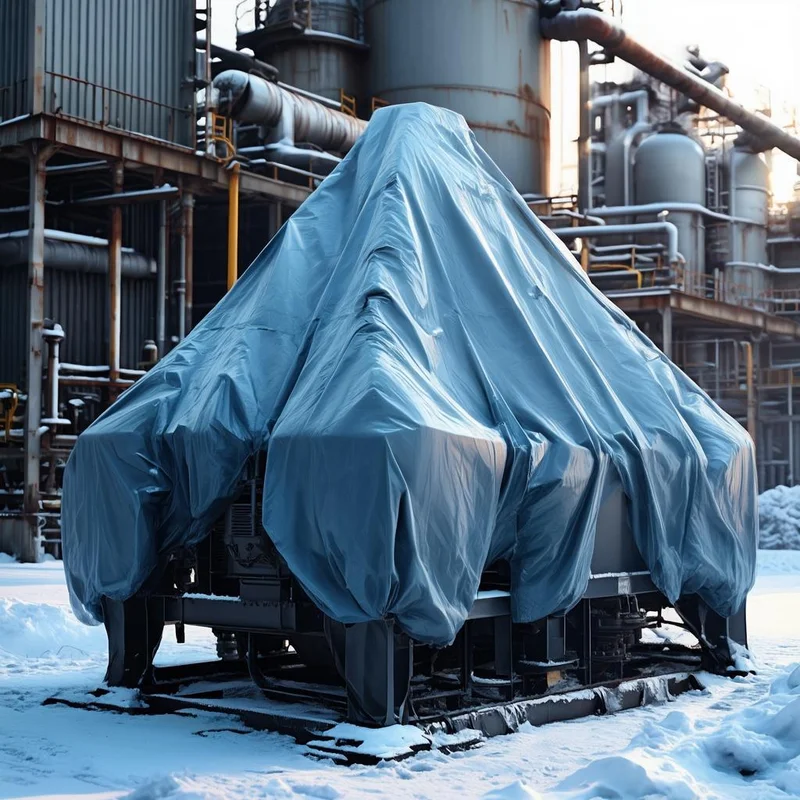
Choosing the wrong temperature rating can have real consequences:
Example: You buy a -20°F rated cover for your CNC router in Calgary. In January, temperatures drop to -30°F for several days. The cover cracks, exposing your expensive equipment. Result: $3,000 in motor repairs.
Example: You buy a -40°F rated VINYL cover for the same equipment. The winter temperatures drop to -30°F, but the cover remains flexible and protective. Your equipment stays safe through the entire winter. Result: No additional maintenance costs.
Beyond Temperature: Other Factors
Cold crack resistance is important, but it's not the only factor to consider:
UV Resistance
UV radiation degrades materials over time, especially in summer. Make sure your covers have UV stabilizers for long-term durability.
Abrasion Resistance
Workshop environments with dust and wood chips require abrasion-resistant materials. Regular materials will wear out faster.
Waterproof
Water-resistant and waterproof are different. For outdoor equipment, 100% waterproof protection is essential.
Seam Construction
Heat-sealed seams are stronger than sewn seams for waterproof applications. Ask about seam construction methods.
Choosing the Right Rating
For Canadian and US woodshops, here's our recommendation:
- Mild winter areas: -30°F rating is usually sufficient
- Prairie provinces: -40°F rating is recommended for reliable protection
- Unheated facilities: -40°F rating is essential
- Valuable equipment: Always go higher rather than lower - the cost difference is minimal compared to potential damage
Rule of Thumb
"If you're protecting equipment worth thousands of dollars, don't save $20 on a cover with an inadequate cold crack rating."
Conclusion
Cold crack resistance is not marketing fluff—it's a critical specification that determines whether your covers will protect your equipment or fail when you need them most.
For Canadian woodshops and industrial equipment owners, choosing covers with adequate cold crack resistance is an investment in equipment longevity and reduced maintenance costs.
Not Sure Which Rating You Need?
Tell us about your location and equipment, and we'll recommend the right cold crack rating for your specific situation. Free assessment, no obligation.
Get Expert AdviceAbout the author: CustomMachineCover specializes in VINYL protective covers for woodworking machinery, designed for North American extreme cold climates.
Related articles:
- Woodworking Machinery Covers - Complete Guide
- Why Canadian Woodshops Need VINYL Covers
- 5 Common Mistakes in Woodworking Winter Protection